
Oh, the comforting aroma of freshly baked bread! There’s nothing quite like pulling a warm loaf of Soft Homemade Sourdough Sandwich Bread from the oven. Its tender crumb and ever-so-slight tang are simply irresistible, transforming an everyday staple into something truly magical right in your own kitchen. It’s more than just bread; it’s a hug in every slice, perfect for everything from a simple toast to a hearty sandwich.
I remember my grandmother, bless her heart, always said the best meals started with the best bread. Watching her knead dough, her hands dusted with flour, instilled in me a deep appreciation for the art of baking. It’s a journey, a dance of ingredients, and every loaf tells a story. Just like those cherished moments, this recipe for Soft Homemade Sourdough Sandwich Bread is designed to bring warmth and joy.
This recipe is not only delightfully easy to follow, making it perfect for bakers of all levels, but it also yields a wonderfully versatile loaf that your whole family will adore. My practical baking tip for today? Don’t be afraid to get your hands a little messy; that’s where the real magic happens, connecting you to the food you create.
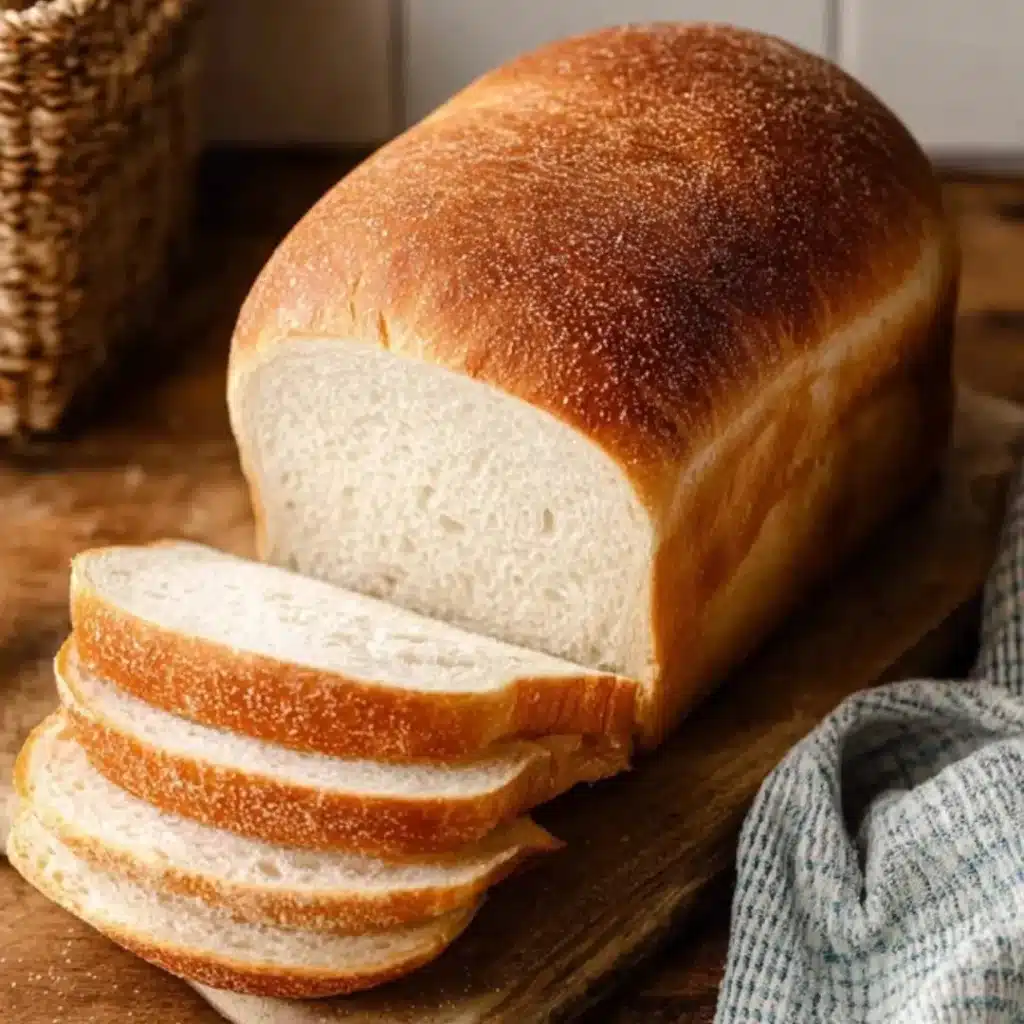
What You Need to Make This Recipe
Crafting this delightful Soft Homemade Sourdough Sandwich Bread relies on a few simple yet essential ingredients. Active sourdough starter is the star, lending its unique tang, while a blend of bread and all-purpose flours creates that perfect, tender crumb we all crave. You’ll find the complete list of ingredients and their exact measurements in the recipe card below, ready for your baking adventure!
How to Make Soft Homemade Sourdough Sandwich Bread
Making this delightful bread is a journey of patience and simple steps. We’ll begin with an autolyse, letting the flours and water mingle before introducing our vibrant sourdough starter. Then, gentle stretch and folds during bulk fermentation develop that beautiful structure, leading to a perfectly shaped loaf that proofs and bakes into golden-brown perfection.
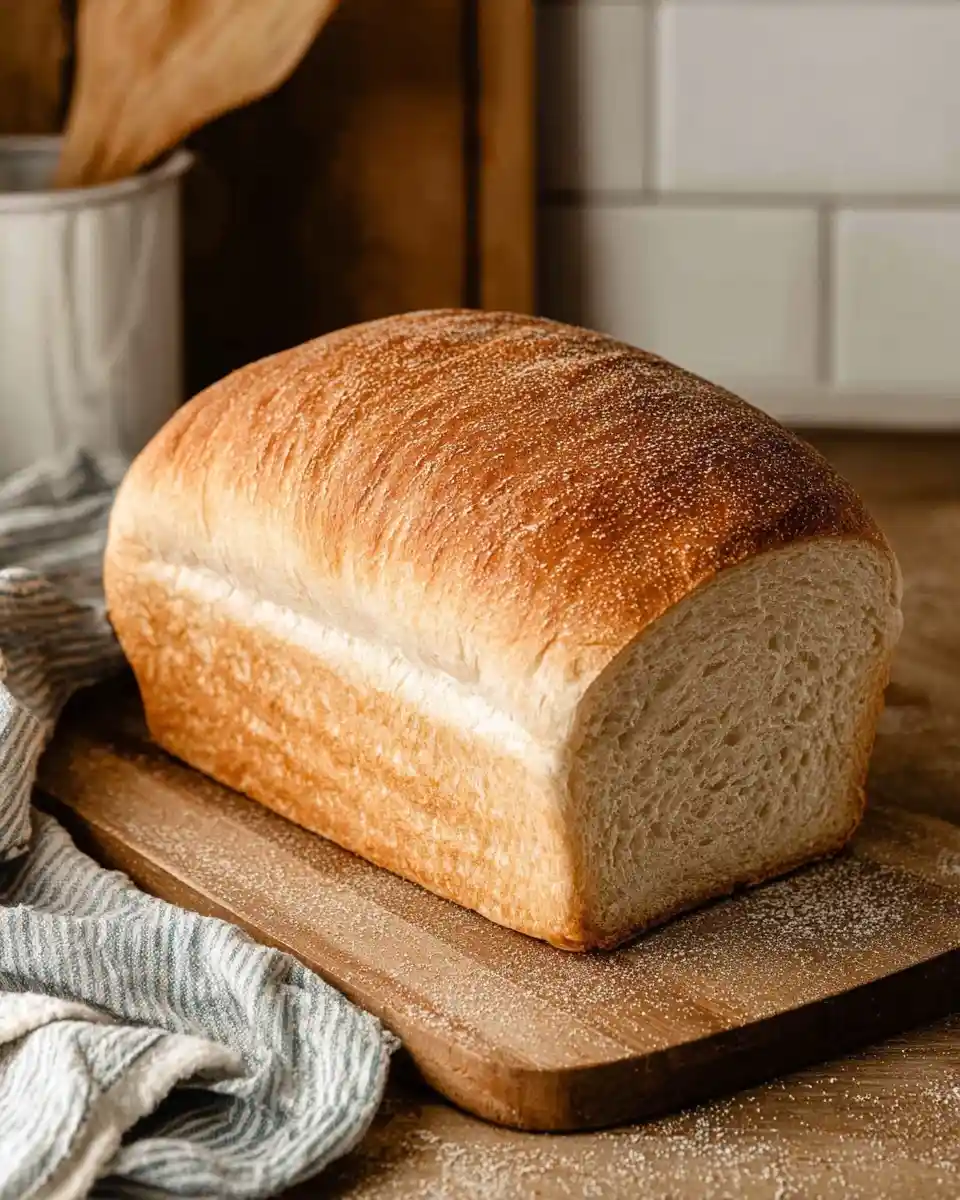
Soft Homemade Sourdough Sandwich Bread
Ingredients
Equipment
Method
- In a large mixing bowl, combine the bread flour, all-purpose flour, and granulated sugar. Add the warm water, leaving about 2 tablespoons aside to add with the salt later. Mix with a spoon or your hand until all the flour is hydrated and no dry spots remain. The dough will be shaggy. Cover the bowl with plastic wrap or a shower cap and let it rest for 30 minutes at room temperature (this is the autolyse phase).
- After the autolyse, add the active sourdough starter to the dough. Using your hands, gently dimple and squeeze the starter into the dough until fully incorporated. It might feel a bit messy initially.
- Sprinkle the salt over the dough, and pour the reserved 2 tablespoons of water over the salt. Work the salt and water into the dough, squeezing and folding until the salt is dissolved and evenly distributed. This usually takes 3-5 minutes. The dough will start to feel smoother.
- Pour the cooled melted butter over the dough. Work the butter into the dough until fully absorbed. This can take 5-7 minutes of kneading, squishing, and folding. The dough will become very soft and smooth. Once incorporated, transfer the dough to a clean, lightly oiled bowl. Cover and let rest for 30 minutes.
- Over the next 3-4 hours, perform 3-4 sets of ‘stretch and folds’. For each set, lightly wet your hands. Grab a portion of the dough, stretch it upwards, and fold it over itself towards the center. Rotate the bowl and repeat this action 3-4 times until you’ve worked your way around the dough. This builds strength. Cover the bowl and let it rest for 30-45 minutes between each set.
- After the final set of stretch and folds, let the dough rest, covered, for the remainder of the bulk fermentation, usually another 1-2 hours, until it has increased in volume by about 20-30% and feels light and airy.
- Lightly flour your work surface. Gently turn the dough out onto the surface. Pre-shape the dough into a loose rectangle or oval. Cover with a clean kitchen towel and let it rest for 15-20 minutes.
- Lightly grease a 9×5 inch loaf pan. To shape the loaf, gently flatten the dough into a rectangle. Fold the top third of the dough down towards the center, then fold the bottom third up over the top, like folding a letter. Gently pat down any air bubbles. Then, tightly roll the dough from one end to the other, creating tension on the surface. Pinch the seam closed. Place the shaped dough, seam-side down, into the prepared loaf pan.
- Cover the loaf pan loosely with plastic wrap or a kitchen towel. Let it proof at room temperature for 2-4 hours, or until it has risen significantly (almost doubled) and feels light and airy. An indentation with a floured finger should slowly spring back (not too quickly, not too slowly). Alternatively, for a deeper flavor and easier handling, you can cold proof it in the refrigerator overnight (8-12 hours).
- Preheat your oven to 400°F (200°C) with a rack in the center. If desired, score the top of the loaf with a sharp knife or razor blade to allow for controlled expansion.
- Place the loaf pan in the preheated oven. Bake for 35-45 minutes, or until the crust is deeply golden brown and the internal temperature reaches 200-210°F (93-99°C) when checked with an instant-read thermometer.
- Once baked, immediately remove the bread from the loaf pan and transfer it to a wire rack. Let it cool completely for at least 1.5-2 hours before slicing. Slicing too early can result in a gummy texture.
Notes
Pro Tips for Making This Soft Homemade Sourdough Sandwich Bread
Baking with sourdough, especially for a lovely Soft Homemade Sourdough Sandwich Bread, can feel like a delicate art, but with a few of my tried-and-true tips, you’ll be a pro in no time!
Listen to Your Dough: Sourdough is alive! Pay attention to how it feels. If your dough is too sticky during shaping, a little flour on your hands and work surface can make all the difference. Don’t be afraid to adjust; every starter is a little different, and practice makes perfect.
My Secret Trick: I always recommend checking your dough’s gluten development with the windowpane test. Take a small piece of dough and gently stretch it. If you can stretch it thin enough to see light through it without tearing, your gluten is well-developed, ensuring a beautifully structured Soft Homemade Sourdough Sandwich Bread.
Patience is a Baker’s Virtue: Sourdough isn’t a race. Give your dough the time it needs for bulk fermentation and final proofing. Environmental factors like temperature can affect timing, so watch the dough, not just the clock. When it’s puffy and jiggly, it’s ready.
Baking with Steam: For that perfect crust, I love to create a steamy environment in my oven during the initial baking phase. A cast-iron Dutch oven or a pan of hot water on the bottom rack works wonders to prevent the crust from setting too quickly, allowing for maximum oven spring.
Fun Variations for Soft Homemade Sourdough Sandwich Bread
One of the greatest joys of baking, dear friends, is the freedom to get a little creative! This Soft Homemade Sourdough Sandwich Bread is a wonderful canvas for your imagination. Here are a few ideas to spark your culinary muse:
Herb & Garlic Infusion
My friend, Sarah, absolutely adores a savory twist. Imagine folding in finely chopped fresh rosemary and a hint of roasted garlic into the dough during the second set of stretch and folds. It transforms the loaf into an aromatic delight, perfect for dipping in olive oil or serving alongside a hearty meal.
Seeded Sourdough
For an extra layer of texture and nutrients, I sometimes like to add a mix of sesame seeds, poppy seeds, and flax seeds. You can mix them into the dough or generously sprinkle them on top before the final proofing. It adds a lovely crunch and a nutty flavor that elevates this Soft Homemade Sourdough Sandwich Bread.
Sweet Cinnamon Swirl
While this is a sandwich bread, for a delightful breakfast treat, you could roll out the dough, spread a mixture of cinnamon sugar and a touch of melted butter, then roll it up jelly-roll style before the final proof. It’s like a cinnamon roll in bread form, a wonderful way to enjoy Soft Homemade Sourdough Sandwich Bread with your morning coffee.
What to Serve With Soft Homemade Sourdough Sandwich Bread
This beautiful Soft Homemade Sourdough Sandwich Bread is so versatile, it truly shines with almost anything! It’s not just for sandwiches, though it makes the most incredible ones. Here are a few ways I love to serve it:
- Classic Toast: A thick slice, lightly toasted and slathered with good butter or a dollop of homemade strawberry jam, is pure bliss. It’s how I often enjoy it for a comforting breakfast.
- Soup’s Best Friend: There’s nothing quite like tearing off a piece of this Soft Homemade Sourdough Sandwich Bread to soak up every last drop of a delicious homemade soup. My mom always pairs it with her creamy tomato basil soup – a perfect match!
- Avocado Toast Elevated: For a quick and nutritious lunch, I love making avocado toast with a sprinkle of everything bagel seasoning and a drizzle of olive oil. The sourdough’s slight tang really complements the creamy avocado.
- Bruschetta Base: Lightly grilled slices of this bread make an excellent base for bruschetta with fresh tomatoes, basil, and a balsamic glaze. It’s an easy appetizer that always impresses.
How to Store Soft Homemade Sourdough Sandwich Bread
Keeping your beautiful Soft Homemade Sourdough Sandwich Bread fresh is key to enjoying every single slice. Here are my favorite ways to store it, ensuring that tender crumb and delightful flavor last as long as possible.
Room Temperature Storage
For bread you’ll enjoy within a few days, simply store the cooled loaf in a bread box or a large airtight container at room temperature. I’ve found that wrapping it loosely in a clean linen towel first, then placing it in an airtight bag or container, helps to maintain its crust while keeping the interior soft. This way, your Soft Homemade Sourdough Sandwich Bread stays delicious for 3-4 days.
Freezing for Freshness
If you’ve baked an extra loaf (which I highly recommend doing!) or want to savor your Soft Homemade Sourdough Sandwich Bread for longer, freezing is your best friend. Once completely cooled, slice the bread and wrap individual slices or halves tightly in plastic wrap, then place them in a freezer-safe bag. This prevents freezer burn and allows you to thaw just what you need. My personal tip? I like to quickly toast frozen slices right from the freezer for instant fresh bread perfection!
Nutritional Benefits
While we cherish desserts for their joy and comfort, it’s lovely when they also offer a little something extra. This Soft Homemade Sourdough Sandwich Bread, made with natural fermentation, can be easier to digest for some and often offers a lower glycemic index compared to conventional bread. It’s a wonderful example of how embracing simple, wholesome ingredients can lead to a treat that’s both satisfying and nourishing, embodying the true spirit of homemade goodness.
FAQs
Faq 1
What makes sourdough bread different from regular bread?
Sourdough bread uses a live fermented culture, called a starter, instead of commercial yeast. This gives Soft Homemade Sourdough Sandwich Bread its distinctive tangy flavor, chewy texture, and often makes it more digestible.
Faq 2
Can I use all-purpose flour instead of bread flour?
While bread flour gives a chewier crumb, you can substitute it with all-purpose flour. The texture of your Soft Homemade Sourdough Sandwich Bread might be slightly softer, but it will still be delicious!
Faq 3
How do I know if my sourdough starter is active enough?
An active starter should be bubbly, have a pleasant tangy aroma, and double in size a few hours after feeding. A simple float test (a small piece floating in water) also indicates it’s ready for your Soft Homemade Sourdough Sandwich Bread.
Faq 4
Why is my sourdough bread dense?
Density can be caused by an inactive starter, under-proofing, or insufficient gluten development. Ensure your starter is robust, give your Soft Homemade Sourdough Sandwich Bread ample time to proof, and perform thorough stretch and folds.
Conclusion
There you have it, my dear bakers! This journey to creating Soft Homemade Sourdough Sandwich Bread is more than just a recipe; it’s an invitation to embrace the art of baking with love and a dash of patience. I truly hope you feel inspired to bring this comforting, tender loaf into your home. Each slice is a testament to the simple magic of homemade creations, perfect for building sweet memories around your table. Happy baking, and may your kitchen always be filled with the joy of delicious aromas!