
Baking bread, especially a wholesome sandwich bread from fresh milled flour, is such a joy, and I’ve learned a few tricks over the years that I love to share.
My Secret Trick: I always make sure my water is just the right temperature – warm, like a baby’s bath, around 105-115°F (40-46°C). Too hot, and you’ll kill the yeast; too cold, and it won’t activate properly. This makes all the difference for a beautifully risen loaf!
When you’re kneading the dough, don’t be afraid to get your hands in there! It’s such a wonderful, therapeutic process. Knead until it feels smooth and elastic, and springs back when you gently poke it. This develops the gluten, which is essential for that perfect soft texture.
For the first rise, find a warm, draft-free spot. My grandmother always used to cover her bowl with a clean kitchen towel and place it near a sunny window. Patience is key here; let the dough double in size for a light and airy sandwich bread from fresh milled flour.
Don’t rush the second rise (proofing). This is where your loaf gets its final lift before baking. A well-proofed loaf will be light and slightly puffed, ready to bake into a beautiful golden brown.
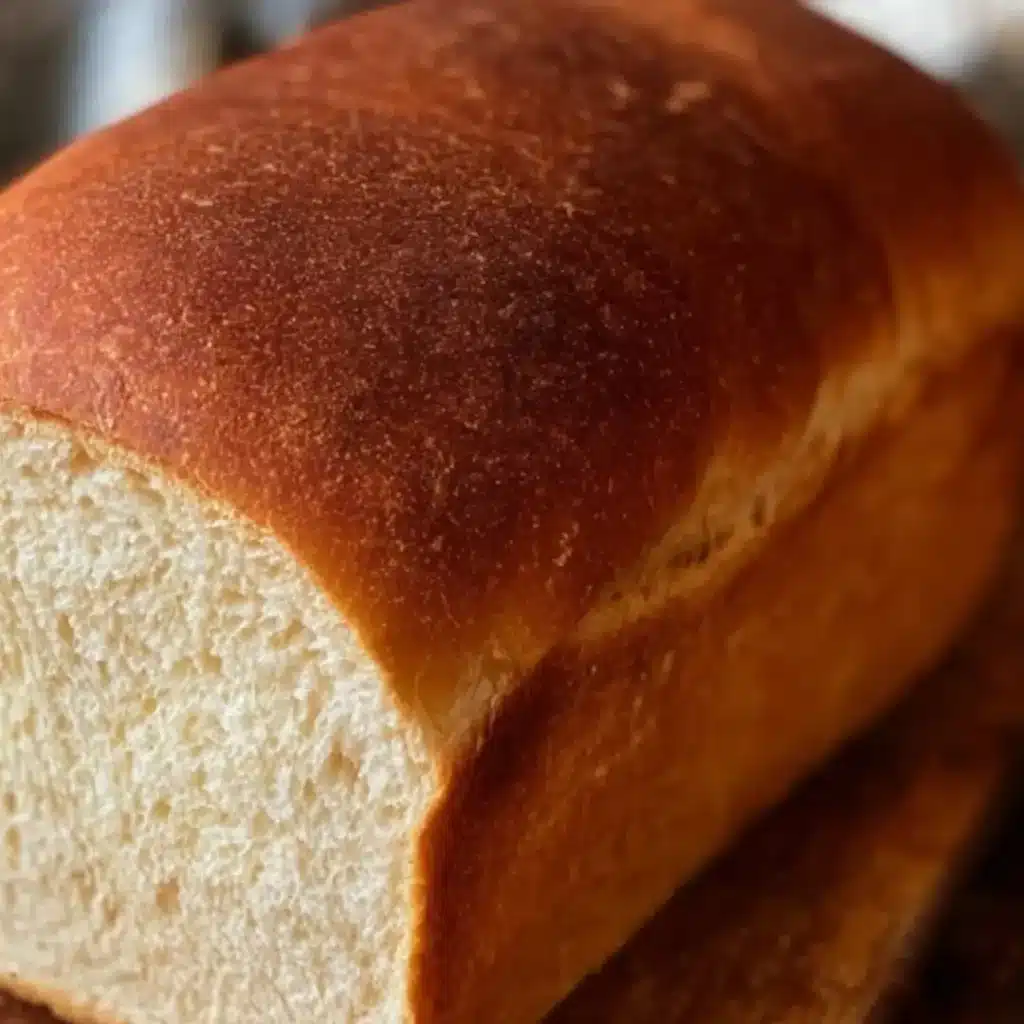
Fun Variations for sandwich bread from fresh milled flour
One of the most delightful aspects of home baking is the freedom to get creative, and this sandwich bread from fresh milled flour is no exception! You can truly make it your own with a few simple tweaks.
Herb & Garlic Infusion
My friend, Sarah, absolutely adores a savory twist. Try incorporating 1-2 tablespoons of finely chopped fresh rosemary or dried Italian herbs into the dough during the mixing stage. For an extra kick, a teaspoon of garlic powder works wonders. It transforms your everyday sandwich bread into something truly special for a meal.
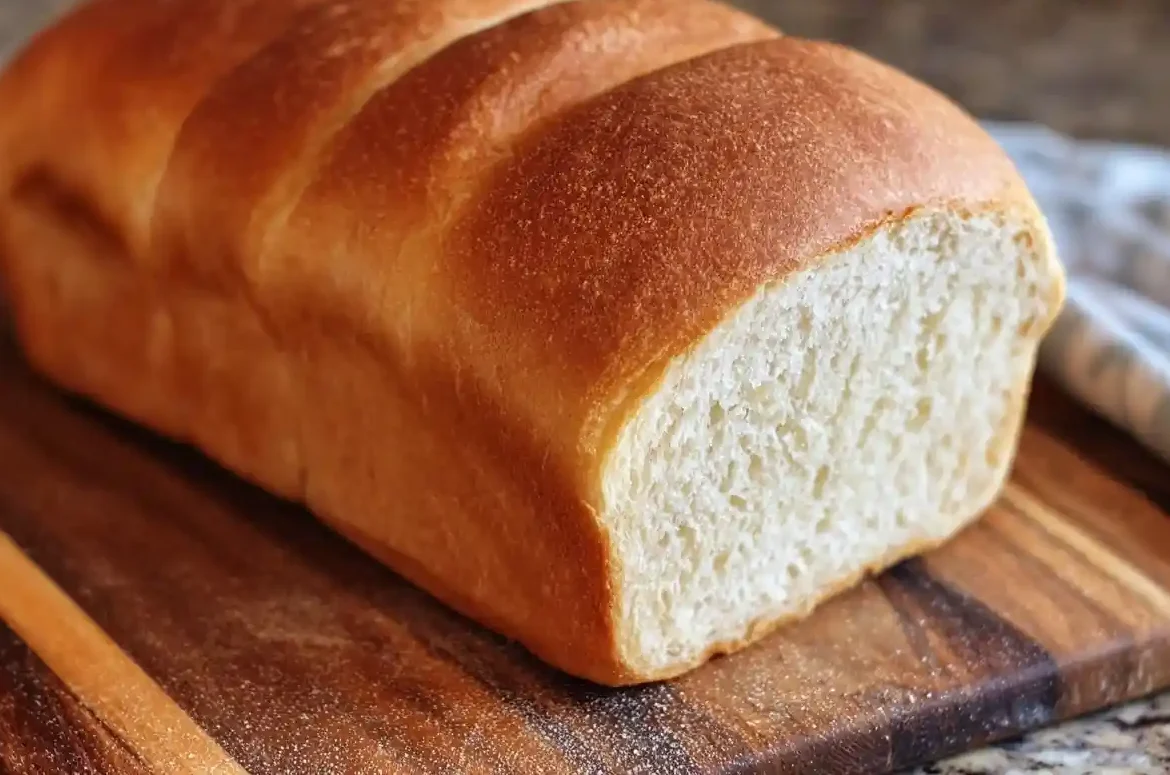
Hearty Fresh-Milled Whole Wheat Sandwich Bread
Ingredients
Equipment
Method
- In a large mixing bowl (or stand mixer bowl), combine the warm water, yeast, and honey/maple syrup. Stir gently and let it sit for 5-10 minutes until foamy. This indicates the yeast is active.
- To the foamy yeast mixture, add 2 cups of the freshly milled whole wheat flour, salt, and 2 tablespoons of the olive oil/melted butter. Mix with a wooden spoon or a stand mixer with a dough hook until well combined, forming a shaggy dough.
- Gradually add the remaining 2 cups of flour, about 1/2 cup at a time, mixing thoroughly after each addition until a soft, slightly sticky dough forms. You may not need all the flour, or you might need a tiny bit more, depending on your flour’s absorption. Freshly milled flour can vary.
- Turn the dough out onto a lightly floured surface (if kneading by hand) or continue kneading in the stand mixer with the dough hook on medium-low speed. Knead for 8-10 minutes until the dough is smooth, elastic, and passes the windowpane test (a small piece can be stretched thinly enough to see light through without tearing). If the dough is too sticky, add a very small amount of flour; if too stiff, add a teaspoon of water.
- Lightly grease a clean large bowl with the remaining olive oil/butter. Place the dough in the bowl, turning once to coat. Cover the bowl tightly with plastic wrap or a clean kitchen towel and let it rise in a warm, draft-free place for 60-90 minutes, or until doubled in size. Fresh milled flour can sometimes rise a bit faster or slower.
- Gently punch down the risen dough to release the air. Turn it out onto a lightly floured surface. Flatten the dough into a rectangle, approximately 9×12 inches. Starting from one of the longer sides, tightly roll up the dough into a log. Pinch the seam closed and tuck the ends under to create a smooth, taut loaf.
- Lightly grease a 9×5 inch loaf pan. Place the shaped dough seam-side down into the prepared pan. Cover loosely with plastic wrap or a kitchen towel and let it rise again in a warm place for 30-45 minutes, or until the dough has risen about 1 inch above the rim of the pan and looks puffy.
- While the dough is on its second rise, preheat your oven to 375°F (190°C). If desired, brush the top of the risen loaf with a little milk or melted butter for a softer crust, or water for a crisper crust.
- Bake for 35-40 minutes, or until the crust is golden brown and the internal temperature reaches 200-210°F (93-99°C) when measured with an instant-read thermometer. If the top is browning too quickly, you can loosely tent it with aluminum foil.
- Remove the bread from the oven and immediately turn it out onto a wire rack to cool completely before slicing. This prevents the bottom from getting soggy and ensures a good texture. Cooling can take 1-2 hours.
Notes
Sweet Cinnamon Swirl
For a hint of sweetness, perfect for breakfast toast, mix in a tablespoon of ground cinnamon with the flour. You could even swirl in a couple of tablespoons of brown sugar and cinnamon before the second rise. My nieces and nephews always request this version for their morning toast!
Seeded Sensation
Add a delightful texture and nutty flavor by folding in 1/4 cup of mixed seeds like sunflower, pumpkin, or flax seeds during the kneading process. Not only does it add a fantastic crunch, but it also brings extra nutrients to your wholesome sandwich bread from fresh milled flour.
What to Serve With sandwich bread from fresh milled flour
This homemade sandwich bread from fresh milled flour is incredibly versatile and makes for a wonderful companion to so many dishes. It’s perfect for elevating everyday meals!
I love serving thick slices alongside a steaming bowl of my homemade tomato soup. There’s something so comforting about dipping a tender piece of this bread into a warm, savory broth. It’s truly a match made in heaven! For a quick and easy serving idea, a simple pat of good quality butter or a drizzle of olive oil and a sprinkle of flaky sea salt can highlight its beautiful flavor. My mom always had a fresh loaf on the table for our family dinners, and it was always the first to disappear.
How to Store sandwich bread from fresh milled flour
Keeping your homemade sandwich bread from fresh milled flour fresh and delicious is key to enjoying every single slice. With a little care, you can savor its wonderful texture and flavor for days.
Room Temperature Storage
Once your beautiful loaf has cooled completely, store it in an airtight container or a bread bag at room temperature. I like to keep mine on the counter, away from direct sunlight. It typically stays wonderfully fresh for 3-4 days. This method helps maintain its soft crumb and prevents it from drying out too quickly.
Freezer Friendly Tips
If you find yourself with extra loaf (a rare occurrence in my house!), it freezes beautifully. Slice the sandwich bread from fresh milled flour first, then wrap the slices tightly in plastic wrap and place them in a freezer-safe bag. It will keep for up to 3 months. My personal tip for reheating is to pop a frozen slice right into the toaster – it comes out perfectly warm and slightly crispy, just like it was freshly baked!
Nutritional Benefits
Baking this sandwich bread from fresh milled flour offers wonderful nutritional benefits. The freshly milled whole wheat flour provides a rich source of fiber, essential vitamins, and minerals, making each slice a wholesome choice. It’s a treat that embodies my philosophy of combining indulgence with simple, nourishing ingredients, ensuring your family enjoys both satisfying flavor and goodness.
FAQs
What is the best way to activate yeast for this recipe?
To activate your yeast, dissolve it in warm water (105-115°F or 40-46°C) with a pinch of honey or maple syrup. Let it sit for about 5-10 minutes until it becomes foamy. This indicates your yeast is active and ready to make your sandwich bread from fresh milled flour beautifully light.
Can I use all-purpose flour instead of fresh milled whole wheat flour?
While you can technically use all-purpose flour, the unique flavor and nutritional benefits of this sandwich bread from fresh milled flour come from the freshly milled whole wheat. All-purpose flour will result in a different texture and taste, so I highly recommend sticking to whole wheat for the authentic experience.
How do I know if I’ve kneaded the dough enough?
You’ll know your dough for this sandwich bread from fresh milled flour is sufficiently kneaded when it feels smooth and elastic. It should also spring back gently when you poke it with a finger. This development of gluten is crucial for a soft, airy crumb in your finished loaf.
What if my bread doesn’t rise?
If your sandwich bread from fresh milled flour isn’t rising, the most common culprits are inactive yeast or a too-cold environment. Ensure your water is the correct temperature for yeast activation and find a warm, draft-free spot for your dough to rise. Patience is key!
Conclusion
Baking your own sandwich bread from fresh milled flour is more than just making a loaf; it’s an act of love, a connection to traditions, and a truly rewarding experience. The aroma filling your kitchen, the soft crumb, and the wholesome taste create memories that linger long after the last slice is gone. I truly hope this recipe inspires you to embrace the simple joy of baking at home. With a little patience and a lot of heart, you’ll discover the magic that even the simplest ingredients can bring to your table. Happy baking, my friends!